
Expert Vertigo & Dizziness Treatment, NJ
Are You Struggling with These Vertigo and Balance Problems?
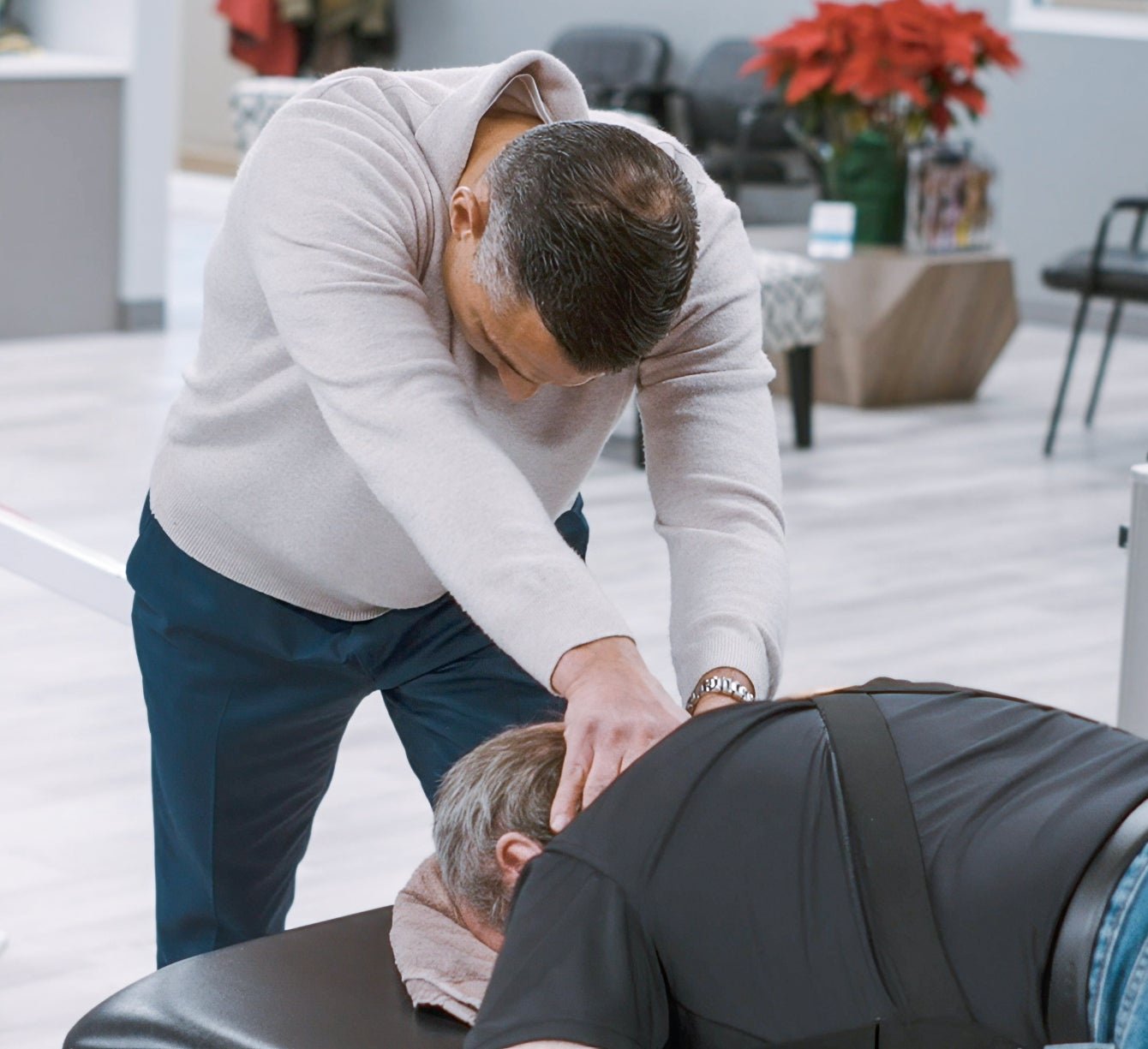
There's a Better Way: Specialized Vestibular Rehabilitation
Our specialized vestibular therapy has helped over 500 Wayne residents eliminate vertigo and dizziness. We identify the root cause - whether it's BPPV, vestibular neuritis, or balance dysfunction - and provide targeted treatment that actually fixes the problem.
- Fast Results: Many patients experience significant relief after just 1-3 sessions
- No Medication Needed: Natural treatment that addresses the cause, not just symptoms
- Proven Success: 85-90% success rate for BPPV and vestibular disorders
- Expert Diagnosis: Comprehensive evaluation to identify your specific condition
- Customized Treatment: Canalith repositioning, balance training, and gaze stabilization
- Insurance Accepted: Most plans cover vestibular rehabilitation
Vertigo Physical Therapy Near Me | Wayne, NJ | Vestibular Rehab
Vestibular Conditions We Treat in Wayne, NJ
Dizziness has many causes, and each is treated differently. Explore the specific condition that fits your symptoms:
- Vestibular neuritis & labyrinthitis — sudden, constant vertigo lasting days after a virus.
- Vestibular migraine — recurring dizziness episodes, often without a headache.
- PPPD — persistent dizziness for months when every test is normal.
- Meniere’s disease — vertigo attacks with hearing changes (balance rehab between attacks).
- BPPV & the Epley maneuver — brief spins triggered by head position.
Not sure which pattern your dizziness fits? Take the free 2-minute dizziness checker — it compares your symptoms with the published criteria for BPPV, vestibular migraine, PPPD, MdDS, vestibular neuritis and Ménière’s disease.
What it is, what treatment involves, and what to note before an evaluation — from Dr. Rob Letizia, PT, DPT.
Vestibular rehabilitation is exercise-based, so much of it can be delivered over video — the diagnosis comes from watching your eyes and head movement, and the treatment is a coached, progressed home program. Dr. Rob currently treats telehealth patients located in New Jersey, Georgia, North Carolina, and Ohio.
Telehealth vestibular therapy — check whether we can treat you where you are →
Which Type of Vertigo or Dizziness Do You Have?
Not all dizziness is the same — and each type is treated completely differently, which is why getting the right diagnosis matters most. Here is a quick guide to point you in the right direction:
- Brief spinning when you roll over in bed or tip your head back → likely BPPV (fixed with the Epley maneuver).
- Sudden, constant spinning for days, often after a cold or virus → likely vestibular neuritis or labyrinthitis.
- Recurring episodes, sometimes with light/sound sensitivity — and often no headache → likely vestibular migraine.
- Constant unsteadiness for months, worse in busy places, when every test is normal → likely PPPD.
- Vertigo attacks with hearing changes, ringing, or ear fullness → likely Meniere’s disease.
- Persistent rocking or swaying that started after a cruise, flight, or long drive → likely Mal de Debarquement Syndrome (MdDS).
Still not sure? That is exactly what a vestibular evaluation is for. Dr. Rob Letizia, PT, DPT will pinpoint the cause and build the right plan. Book a vestibular assessment or call (973) 689-7123.
Vertigo and BPPV Physical Therapy in Northern New Jersey
Vertigo and BPPV patients come to us for same-day relief from across the region, including Hawthorne, Totowa, Paterson, Fairfield, Riverdale, Bloomingdale, Butler, Kinnelon, Lincoln Park, Little Falls, Pequannock, Pompton Lakes, Woodland Park. Not sure if we are close to you? Call and ask — most patients are a 10–20 minute drive.
For persistent symptoms more than 10-14 days after a concussion, our Post-Concussion Syndrome Treatment program provides the 4-domain rehab protocol - VOMS, Buffalo Concussion Treadmill Test, cervicogenic assessment, and ocular-motor retraining - most PTs do not offer. Serving athletes across Wayne, Passaic, Bergen, Essex, and Morris counties.
Quick Answer: Vertigo physical therapy near me in Wayne, NJ is provided by Dr. Rob Letizia, PT, DPT at Spectrum Therapeutics — a vestibular specialist with 25+ years of experience. Most BPPV (benign paroxysmal positional vertigo) cases resolve in 1–3 visits using the Epley maneuver, while vestibular neuritis and post-concussion dizziness typically respond in 4–8 weeks of vestibular rehabilitation. No referral needed in New Jersey (direct access). Medicare plans require a doctor's script. Serving Wayne, Paterson, Totowa, Little Falls, Woodland Park, Pompton Plains, Haledon, Hawthorne, Fair Lawn, Paramus, Clifton, and Montclair. Call (973) 689-7123.
Vestibular and vertigo testing is best done in person, but for follow-up visits and home-exercise coaching we also offer telehealth physical therapy.
Medically reviewed by Dr. Rob Letizia, PT, DPT. Updated April 2026.
Key Takeaways
- BPPV typically needs only a few visits with Epley / Semont canalith repositioning — most cases settle in a small number of visits once the affected canal is identified.
- Vestibular rehabilitation therapy (VRT) holds a Level A evidence rating from the APTA for unilateral vestibular hypofunction.
- Medications like meclizine mask dizziness but delay long-term recovery — physical therapy addresses the cause.
- Spectrum Therapeutics of NJ provides vertigo physical therapy near you in Wayne, NJ with same-day appointments.
- Covered by Medicare, Horizon BCBSNJ, Aetna, Cigna, United, and most commercial plans.
Related reading: Balance Therapy Near Me in Wayne, NJ | Vestibular Physical Therapy Near Me (Full Guide) | Dizziness vs Vertigo
Vertigo Physical Therapy Near Me: Vestibular Rehabilitation in Wayne, NJ
If your doctor told you to wait it out and take meclizine, that is managing your symptoms while the actual problem persists. Vertigo, dizziness, and balance disorders have specific causes, and most of them are treatable with physical therapy. At Spectrum Therapeutics, Dr. Rob Letizia uses evidence-based vestibular rehabilitation to diagnose the exact cause of your dizziness and apply targeted treatment, often resolving the problem in just a few sessions.
Vestibular rehabilitation is a specialized area of physical therapy that requires specific diagnostic skills and treatment techniques. Not every PT clinic offers it. At Spectrum Therapeutics, vestibular assessment and treatment have been part of Dr. Rob's practice for over two decades. Whether you have BPPV, vestibular neuritis, post-concussion dizziness, or cervicogenic vertigo, the approach starts with an accurate diagnosis and ends with you feeling stable again.
601 Hamburg Turnpike, Suite 103, Wayne, NJ 07470 • Same-Day Appointments Available
On This Page
- Vestibular Rehabilitation Overview
- Understanding Your Vestibular System
- BPPV: The Most Common Cause of Vertigo
- Vestibular Neuritis and Labyrinthitis
- Post-Concussion Vestibular Dysfunction
- Dizziness Management: When It Is Not BPPV
- Evidence-Based Vestibular Protocols
- Vestibular Exercises
- Treatment Cost and Insurance
Understanding Your Vestibular System: Why You Feel Dizzy
Your sense of balance depends on three systems working together: your vestibular system (inner ear), your visual system (eyes), and your proprioceptive system (sensors in your joints and muscles, especially the neck). Your brain integrates information from all three to determine where you are in space and how you are moving. When any one of these systems sends inaccurate signals, you feel dizzy, unsteady, or like the room is spinning.
The vestibular system lives inside your inner ear and consists of two main structures. The semicircular canals, three fluid-filled loops oriented at right angles to each other (anterior, posterior, and horizontal), detect rotational head movement. When you turn your head, fluid movement inside these canals bends tiny hair cells that send signals to the brain about the direction and speed of rotation. The otolith organs, the utricle and saccule, detect linear acceleration and head tilt relative to gravity using small calcium carbonate crystals called otoconia resting on a gel membrane.
One of the most critical functions of the vestibular system is the vestibulo-ocular reflex (VOR). This reflex stabilizes your vision during head movement by moving your eyes in the opposite direction of your head rotation. When the VOR is impaired, like after vestibular neuritis, your vision bounces and blurs during head movement, a symptom called oscillopsia. This is why vestibular patients often feel worse in busy visual environments like grocery stores or scrolling on screens.
Understanding this anatomy matters because treatment depends entirely on which part of the system is affected. BPPV involves the otoconia migrating into the semicircular canals. Vestibular neuritis involves inflammation of the vestibular nerve. Cervicogenic dizziness involves faulty proprioceptive signals from the neck. Each requires a completely different treatment approach, which is why an accurate diagnosis is the first step at Spectrum Therapeutics.
BPPV: The Most Common Cause of Vertigo
Benign Paroxysmal Positional Vertigo accounts for approximately 50% of all peripheral vestibular disorders. It occurs when otoconia, the tiny calcium carbonate crystals that normally sit in the utricle, become dislodged and migrate into one of the semicircular canals, most commonly the posterior canal. Once inside the canal, these crystals disrupt fluid dynamics and send false rotational signals to the brain every time you change head position.
BPPV causes brief but intense episodes of spinning vertigo triggered by specific movements: rolling over in bed, looking up, bending forward, or lying down quickly. Each episode typically lasts 15 to 60 seconds but can be severely disabling and frightening. Nausea is common. Between episodes, you may feel fine or slightly off-balance.
The diagnosis is made using the Dix-Hallpike test for posterior and anterior canal BPPV or the Roll test for horizontal canal BPPV. Dr. Rob observes characteristic nystagmus (involuntary eye movements) that identifies exactly which canal is affected and which ear is involved. This precision matters because the treatment maneuver is canal-specific.
The otolaryngology clinical practice guideline recommends canalith repositioning such as the Epley maneuver as the treatment for posterior canal BPPV (Bhattacharyya et al., 2017). In a Cochrane review of randomized trials, the Epley fully resolved vertigo in 56% of patients versus 21% with a sham maneuver (Hilton and Pinder, 2014, Cochrane Database of Systematic Reviews). For horizontal canal BPPV, the Lempert BBQ roll or Gufoni maneuver is used. For anterior canal involvement, a modified Epley or deep head-hanging maneuver applies. BPPV sometimes settles on its own, but that can take weeks. Repositioning moves the crystals back into the utricle where they belong, which is why it works so much faster than waiting.
Vestibular Neuritis and Labyrinthitis
Vestibular neuritis is an acute inflammatory condition of the vestibular nerve, usually caused by a viral infection. It produces sudden, severe vertigo that persists for days and gradually improves over weeks. Unlike BPPV, the vertigo is constant rather than positional in the acute phase. Nausea, vomiting, and significant imbalance are typical. Labyrinthitis involves the same process but also affects the cochlear nerve, adding hearing loss and tinnitus to the symptoms.
The acute phase is managed medically with vestibular suppressants, but once the initial severe symptoms subside, physical therapy becomes the primary treatment. The brain needs to recalibrate its balance processing to compensate for the damaged vestibular nerve, a process called vestibular compensation. Without rehabilitation, many patients remain chronically dizzy, unsteady, and avoid activities that provoke symptoms.
Vestibular rehabilitation for neuritis includes gaze stabilization exercises (VOR x1 and VOR x2 training), where you focus on a target while turning your head at increasing speeds. This retrains the vestibulo-ocular reflex. Habituation exercises expose you to the specific movements and visual stimuli that provoke dizziness, gradually reducing your brain's sensitivity. Balance retraining progresses from stable to unstable surfaces, wide to narrow base of support, and eyes-open to eyes-closed conditions.
Cochrane Database systematic reviews demonstrate that vestibular rehabilitation significantly improves symptoms compared to medication or no treatment for vestibular neuritis. At Spectrum Therapeutics, Dr. Rob designs graded vestibular rehabilitation programs that push your system to adapt without overwhelming it.
Post-Concussion Vestibular Dysfunction
Dizziness and balance problems are among the most common persistent symptoms after concussion. An estimated 50-80% of concussion patients experience vestibular-related symptoms including dizziness, visual motion sensitivity (feeling worse in busy environments), difficulty concentrating in visually complex settings, and impaired balance. These symptoms can persist for weeks or months after the initial injury if left untreated.
Post-concussion vestibular dysfunction often involves multiple overlapping mechanisms. The vestibular organs or nerve may be directly injured. The vestibular-visual integration pathways in the brainstem may be disrupted. Cervical spine injury from the same mechanism that caused the concussion contributes cervicogenic dizziness. And the autonomic nervous system dysregulation common after concussion amplifies all of these symptoms.
Treatment requires addressing each contributing factor. Vestibular rehabilitation targets the vestibular-visual mismatch with graded exposure to challenging visual environments and VOR training. Cervical spine manual therapy addresses neck-related dizziness. Graded exertion protocols, like the Buffalo Concussion Treadmill Test protocol, systematically increase cardiovascular demand to retrain the autonomic nervous system. This multimodal approach is supported by growing evidence in sports medicine literature and is the standard of care for persistent post-concussion symptoms.
At Spectrum Therapeutics, Dr. Rob evaluates every concussion patient for vestibular, cervical, and autonomic contributions to their symptoms. This comprehensive approach produces faster recovery than treating any single component in isolation.
I had vertigo episodes for three months. My doctor prescribed meclizine, which made me drowsy but did not stop the spinning. An ENT told me to wait it out. Dr. Rob did a test where he laid me back and watched my eyes, told me exactly which ear and which canal was the problem, and performed the Epley maneuver. The vertigo was gone after that single visit. I cried in the office because I could not believe something that had ruined three months of my life was fixed in 20 minutes.
Dizziness Management: When It Is Not BPPV
Not all dizziness is vertigo, and not all vertigo is BPPV. Accurate differential diagnosis is critical because the wrong treatment for the wrong cause will not work. True BPPV is the one vestibular diagnosis that typically clears in 1-3 visits; every other cause of vertigo and dizziness takes weeks, months or longer, which is why getting the diagnosis right on the first visit matters more than any single technique. Here are the most common non-BPPV causes of dizziness and how Dr. Rob distinguishes between them.
Cervicogenic dizziness is caused by impaired proprioceptive signals from the cervical spine. The upper cervical joints are densely packed with proprioceptors that communicate head-on-neck position to the brain. When these joints are stiff or dysfunctional, the signals become inaccurate, creating a mismatch with vestibular and visual inputs. This produces a vague sense of unsteadiness, lightheadedness, and disorientation that worsens with neck movement. Treatment involves cervical spine mobilization and proprioceptive retraining. This is often misdiagnosed as a vestibular problem.
Migraine-associated vertigo (vestibular migraine) affects approximately 1% of the population and causes episodic vertigo, motion sensitivity, and visual aura with or without headache. Vestibular rehabilitation helps reduce the frequency and severity of episodes by improving vestibular compensation and reducing visual motion sensitivity.
Orthostatic hypotension causes lightheadedness when standing from sitting or lying down due to a blood pressure drop. Dr. Rob screens for this with positional blood pressure monitoring during the evaluation.
Medication-induced dizziness is common in patients taking multiple medications, especially blood pressure medications, sedatives, and antidepressants. Identifying medication contributions is part of the initial assessment.
Anxiety-related dizziness creates a cycle where dizziness triggers anxiety and anxiety amplifies dizziness. Vestibular rehabilitation breaks this cycle through graded exposure and confidence-building exercises.

The Evidence-Based Vertigo and Vestibular Rehabilitation Program at Spectrum Therapeutics
Every vestibular treatment at Spectrum Therapeutics follows established evidence-based protocols. Here are the specific techniques Dr. Rob uses based on your diagnosis.
Vestibular Exercises You Can Do at Home
These exercises should only be performed after a proper evaluation to determine which exercises are appropriate for your specific condition. The wrong exercises for the wrong diagnosis can make symptoms worse.
Brandt-Daroff exercises: Sit on the edge of your bed. Quickly lie on one side with your nose pointed upward at a 45-degree angle. Stay for 30 seconds or until dizziness stops. Return to sitting and wait 30 seconds. Repeat on the other side. Perform 5 repetitions on each side, 2 times per day. These are typically prescribed for residual BPPV symptoms after a repositioning maneuver.
VOR x1 exercise: Hold a business card at arm's length with a word written on it. Turn your head side to side while keeping the word in focus. Start slowly and increase speed as tolerated. Perform for 1 minute, 3 times per day. This retrains your vestibulo-ocular reflex.
Standing balance progression: Stand with feet together, arms at your sides. Hold for 30 seconds. Progress to tandem stance (heel to toe), then single-leg stance. When stable with eyes open, repeat with eyes closed. Perform near a wall or counter for safety.
Vestibular Recovery Timeline
What to Expect During Vestibular Treatment
Ready to stop the spinning? Call Dr. Rob Letizia directly at (973) 689-7123 to schedule your vestibular evaluation. Same-day appointments available. No referral needed — except on Medicare, which requires a script from your doctor.
Physical Therapy vs. Medication for Vertigo
Vestibular physical therapy treats the root cause of vertigo, while medications like meclizine only suppress symptoms temporarily. The Epley maneuver and other canalith repositioning techniques resolve BPPV in 1-3 visits; in a Cochrane review the Epley fully resolved vertigo in 56% of patients versus 21% with a sham maneuver. Medications cannot reposition displaced crystals or retrain the vestibulo-ocular reflex. At Spectrum Therapeutics, Dr. Rob uses specialized vestibular testing, including nystagmus assessment, to diagnose the exact cause of your dizziness and apply the most effective treatment.
Vestibular Rehabilitation
Medication Only
How Much Does Vestibular Treatment Cost in Wayne, NJ?
Vestibular physical therapy is covered by most insurance plans, including Medicare. BPPV often resolves in just 1-3 sessions, making it one of the most cost-effective treatments in physical therapy. Vestibular neuritis and post-concussion rehabilitation typically require 4-8 sessions. We verify your insurance benefits before your first visit so there are no surprise costs. Call (973) 689-7123 for insurance verification. Any Medicare plan requires a referral from your doctor for coverage.
What vertigo and dizziness patients say
These reviews are from patients Dr. Rob treated for vertigo and dizziness at our Wayne clinic, quoted from Google. Individual results vary.
“My 76-year-old husband had never experienced vertigo before when, seemingly out of nowhere, he was hit with a severe episode that greatly affected his daily life. … His expertise and effective treatment made a remarkable difference—giving my husband his quality of life back.”
— Joseph & Mary B., Google review ★★★★★
“Dr. Rob Letizia and the entire team at Spectrum Therapeutics of NJ provided exceptional care during my vertigo and vestibular therapy treatment. Dr. Rob was knowledgeable, patient, and compassionate, taking the time to explain each exercise and ensure I felt comfortable and supported.”
— Kelly M., Google review ★★★★★
“After my first severe vertigo attack, I ended up in the hospital and had never experienced anything like it before. Thankfully, I found Spectrum Therapeutics. I was amazed to start feeling better after just my first visit. Dr. Robert is very knowledgeable and caring!”
— Isabel C., Google review ★★★★★
“I had my first session not knowing what to expect and left with hope after the first session. My vertigo was impacting my everyday function and he gave me the tools I needed to overcome it.”
— Eve C., Google review ★★★★★
“I was dealing with dizziness/vertigo and neck pai[n] for a couple of months. Rob did a great job in treating me and I believe he was instrumental in helping me overcome my issues with dizziness.”
— Thomas F., Google review ★★★★★
Outside New Jersey? Dr. Rob treats vestibular patients by video in New Jersey, Georgia, North Carolina, and Ohio. See whether telehealth vestibular therapy can work for you →
Get Dr. Rob's recovery guide for your type of dizziness
Vestibular rehab is exercise-based, so the programme travels. Tell us which kind of dizziness you have and we'll email the guide for it — what it is, what the exercises do, and what the usual recovery looks like. Wherever you live.
Free, and we ask for your state only so we send the right thing. Reply STOP to any email to end them.
Frequently Asked Questions About Vertigo Treatment
How quickly can BPPV vertigo be treated?
BPPV is the most common cause of vertigo and is highly treatable. At Spectrum Therapeutics in Wayne, NJ, Dr. Rob Letizia treats BPPV with the Epley maneuver and other canalith repositioning techniques. Most BPPV cases settle in a small number of visits once the affected canal is identified and repositioned. Many patients feel significantly better after a single treatment session.
What is the difference between dizziness and vertigo?
Vertigo is a specific type of dizziness where you feel like the room is spinning. General dizziness can feel like lightheadedness, unsteadiness, or floating. The distinction matters because each has different causes and treatments. Dr. Rob Letizia at Spectrum Therapeutics in Wayne, NJ uses nystagmus testing and vestibular assessments to determine the exact type and cause of your dizziness.
Can physical therapy help vertigo that keeps coming back?
Yes. Recurrent vertigo often means the underlying vestibular dysfunction has not been fully addressed. Dr. Rob Letizia at Spectrum Therapeutics in Wayne, NJ treats the root cause, not just the symptoms. For recurrent BPPV, he teaches patients self-treatment maneuvers. For vestibular neuritis or chronic vestibular hypofunction, a progressive vestibular rehabilitation program retrains your brain to compensate effectively.
Do I need a referral to see a vertigo specialist in New Jersey?
No. New Jersey Direct Access law allows you to see a physical therapist without a doctor referral. At Spectrum Therapeutics in Wayne, NJ, you can schedule directly with Dr. Rob Letizia for vertigo evaluation and treatment. Same-day appointments are available. Call (973) 689-7123 to book.
What types of vertigo and dizziness does Spectrum Therapeutics treat?
Spectrum Therapeutics in Wayne, NJ treats BPPV (benign paroxysmal positional vertigo), vestibular neuritis, labyrinthitis, post-concussion dizziness, cervicogenic vertigo, Meniere's disease management, age-related balance decline, and unilateral vestibular hypofunction. Dr. Rob Letizia has over 25 years of experience in vestibular rehabilitation.
What is vestibular rehabilitation therapy and how is it different from generic vertigo treatment?
Vestibular rehabilitation therapy (VRT) is a specialized exercise-based program designed to retrain the brain's ability to process balance information from the inner ear, eyes, and body. It is different from generic vertigo treatment because VRT is individualized to the specific cause of your dizziness or balance problem rather than applying the same protocol to every patient. At Spectrum Therapeutics in Wayne, NJ, Dr. Rob Letizia, DPT designs each VRT program based on whether the underlying issue is BPPV, vestibular neuritis, post-concussion vestibular dysfunction, or chronic dizziness from aging-related vestibular hypofunction. A typical VRT program combines gaze stabilization exercises, habituation exercises for motion sensitivity, balance retraining, and (when indicated) repositioning maneuvers like the Epley for BPPV. Most patients see meaningful improvement within 4 to 8 visits.
Who is a good candidate for vestibular rehabilitation in Wayne, NJ?
Vestibular rehabilitation helps adults of any age who experience persistent dizziness, vertigo, imbalance, motion sensitivity, or visual instability that has not resolved with rest or medication. Common candidates include patients with BPPV (especially recurrent BPPV that returns after repositioning), vestibular neuritis or labyrinthitis recovery, post-concussion dizziness and balance issues, persistent postural-perceptual dizziness (PPPD), Meniere's-related imbalance between vertigo attacks, and older adults with age-related vestibular hypofunction and falls risk. If dizziness has lasted more than 2 to 3 weeks, vestibular rehabilitation is usually the right next step regardless of the underlying cause.
How long does a vestibular rehabilitation program take to see results?
Most patients notice meaningful improvement in dizziness or balance within 2 to 4 visits, with full programs running 6 to 12 visits over 4 to 8 weeks. The trajectory depends on the underlying cause: BPPV often resolves in 1 to 3 visits with repositioning maneuvers; vestibular neuritis recovery is typically 6 to 10 weeks; post-concussion vestibular dysfunction can take 8 to 12 weeks; chronic vestibular hypofunction takes 8 to 16 weeks but produces lasting central nervous system compensation. Dr. Rob will give you a realistic timeline after your first evaluation and adjust as you progress.
Vertigo Treatment for Wayne, NJ and Surrounding Communities
Spectrum Therapeutics provides expert vertigo treatment and vestibular rehabilitation to patients from throughout Passaic County and northern New Jersey. In addition to Wayne, NJ, Dr. Rob Letizia regularly treats vertigo and balance disorder patients from Totowa, Little Falls, Lincoln Park, Pompton Lakes, Woodland Park, Fairfield, North Haledon, Hawthorne, West Caldwell, Cedar Grove, Verona, and Paterson. Our Wayne, NJ clinic at 601 Hamburg Turnpike is conveniently located near Routes 23, 46, and 202. If dizziness or vertigo is affecting your daily life, Dr. Rob Letizia can help.
Related: Balance and Fall Prevention Care
For patients whose dizziness is primarily balance-related, multifactorial, or age-related rather than classic vertigo, our Balance Specialist and Vestibular Therapy program provides comprehensive evaluation and treatment. Dr. Rob Letizia is one of the few balance specialists in North Jersey with 25+ years of vestibular physical therapy experience.
Further Reading: Vertigo Treatment Patient Resources
Patient guides from our blog on related topics:
- Vertigo & Balance Therapy in Wayne, NJ: Regain Control and Stability with Expert Care
- How to Find the Best Vestibular Physical Therapy Near Me in Passaic County, NJ
Related Services
- Balance and fall prevention training
- Cervical spine rehabilitation (neck-related dizziness)
- Physical therapy in Wayne, NJ
- Medicare physical therapy
- About Dr. Rob Letizia
Vestibular Rehabilitation in Wayne, NJ
601 Hamburg Turnpike, Suite 103, Wayne, NJ 07470 · (973) 689-7123 · View on Google Maps
The Vertigo and Vestibular Rehabilitation Program serves patients across Northern New Jersey
Spectrum Therapeutics treats patients with BPPV, vestibular neuritis, post-concussion dizziness, and balance disorders who drive in from Pompton Lakes, Fairfield, Little Falls, Lincoln Park, Hawthorne, Totowa, Verona, Woodland Park, North Haledon, Paterson, and Franklin Lakes — typically 8 to 15 minutes from our Wayne clinic at 601 Hamburg Turnpike, Suite 103. Same one-on-one care from Dr. Rob Letizia, DPT. No referral required in NJ. Call (973) 689-7123 for same-day appointments.
↑ Part of Conditions We Treat
By the numbers: see 11 years of our Wayne, NJ treatment data — 180,000+ visits, and how we treat tendon pain and vertigo without needles or surgery.
Your Simple 3-Step Recovery Plan
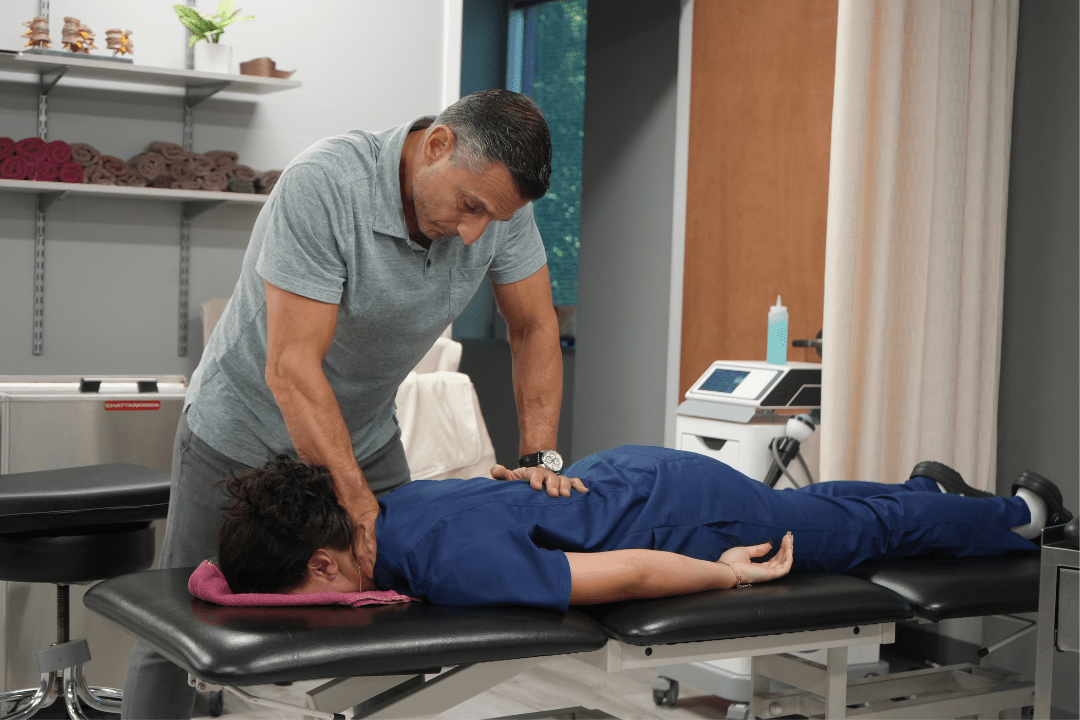
Ready to Stop the Spinning?
Don't let another day be ruined by vertigo and dizziness. Our specialized vestibular therapy provides fast, effective relief without medication or surgery.
What Makes Our Vertigo Treatment Different:
- Expert diagnosis of your specific vestibular condition
- Proven treatment techniques with 85-90% success rates
- Many patients feel better after just one session
- Customized home exercise programs
- Fall prevention and balance training
- Same-day appointments available
Success Stories from Wayne Residents

Dr. Rob Letizia - Your Trusted Vertigo & Balance Specialist
With over 25 years of experience treating vertigo and balance disorders, Dr. Rob Letizia is specially trained in vestibular rehabilitation. At Spectrum Therapeutics of NJ, you can expect expert diagnosis, proven treatment techniques, and a compassionate approach to help you eliminate dizziness and regain your confidence.
SCHEDULE YOUR VERTIGO EVALUATION TODAY!
Related Articles
View all-

Is It Normal to Have Low Back Pain During Pregn...
Dr. Rob Letizia PT, DPTLow back pain is common in pregnancy and around your period, and ovulation pain is usually in the belly, not the back. What is normal, what is not, and when...
Is It Normal to Have Low Back Pain During Pregn...
Dr. Rob Letizia PT, DPTLow back pain is common in pregnancy and around your period, and ovulation pain is usually in the belly, not the back. What is normal, what is not, and when...
-

Is It Normal to Have Sciatica After Back Surgery?
Dr. Rob Letizia PT, DPTSome sciatica after a microdiscectomy or back surgery is common: leg pain settles first, numbness is slower and can linger. The 3-Month Trend Rule, a recovery table from a 314-patient...
Is It Normal to Have Sciatica After Back Surgery?
Dr. Rob Letizia PT, DPTSome sciatica after a microdiscectomy or back surgery is common: leg pain settles first, numbness is slower and can linger. The 3-Month Trend Rule, a recovery table from a 314-patient...
-

How Long Does PPPD Last? Does It Go Away on Its...
Dr. Rob Letizia PT, DPTDizzy most days for months and every test is normal? How long PPPD lasts, whether it goes away on its own, the 3-month rule, and what treatment changes.
How Long Does PPPD Last? Does It Go Away on Its...
Dr. Rob Letizia PT, DPTDizzy most days for months and every test is normal? How long PPPD lasts, whether it goes away on its own, the 3-month rule, and what treatment changes.


